
Quick Summary
An emergency power outage kit helps households stay safe during blackouts caused by storms, infrastructure failures, or natural disasters. A complete blackout preparedness kit includes lighting, communication devices, backup power supplies, food, water, and medical essentials. Preparing these supplies in advance ensures families can safely manage extended outages until utilities are restored.
- Every household should maintain a 72-hour emergency supply kit.
- Emergency radios provide weather alerts when internet and phone networks fail.
- Flashlights and lanterns provide safe lighting during nighttime outages.
- Backup batteries and power banks keep critical devices functioning.
- Emergency food and water ensure basic survival during prolonged blackouts.
Why Power Outage Preparedness Is Important in 2025
Power outages are becoming more common due to severe weather, aging infrastructure, and increasing electricity demand. Hurricanes, winter storms, wildfires, and heat waves can all disrupt electrical service for hours or even days. When electricity fails, homes immediately lose lighting, refrigeration, internet connectivity, and sometimes even water systems.
Preparing an emergency blackout kit allows households to maintain safety, communication, and essential resources during unexpected outages. Disaster preparedness experts recommend maintaining supplies that support at least three days of independent survival.
According to guidance from Ready.gov, families should prepare emergency supplies in advance so they can remain safe during power outages and other disasters.
A properly prepared kit helps families respond quickly to emergencies without scrambling to gather supplies when stores may already be closed or crowded.
Essential Items for a Power Outage Emergency Kit
A well-prepared blackout kit contains supplies that support basic needs such as lighting, communication, hydration, nutrition, and medical care. These items allow households to function safely during extended outages.
Emergency Lighting and Flashlights
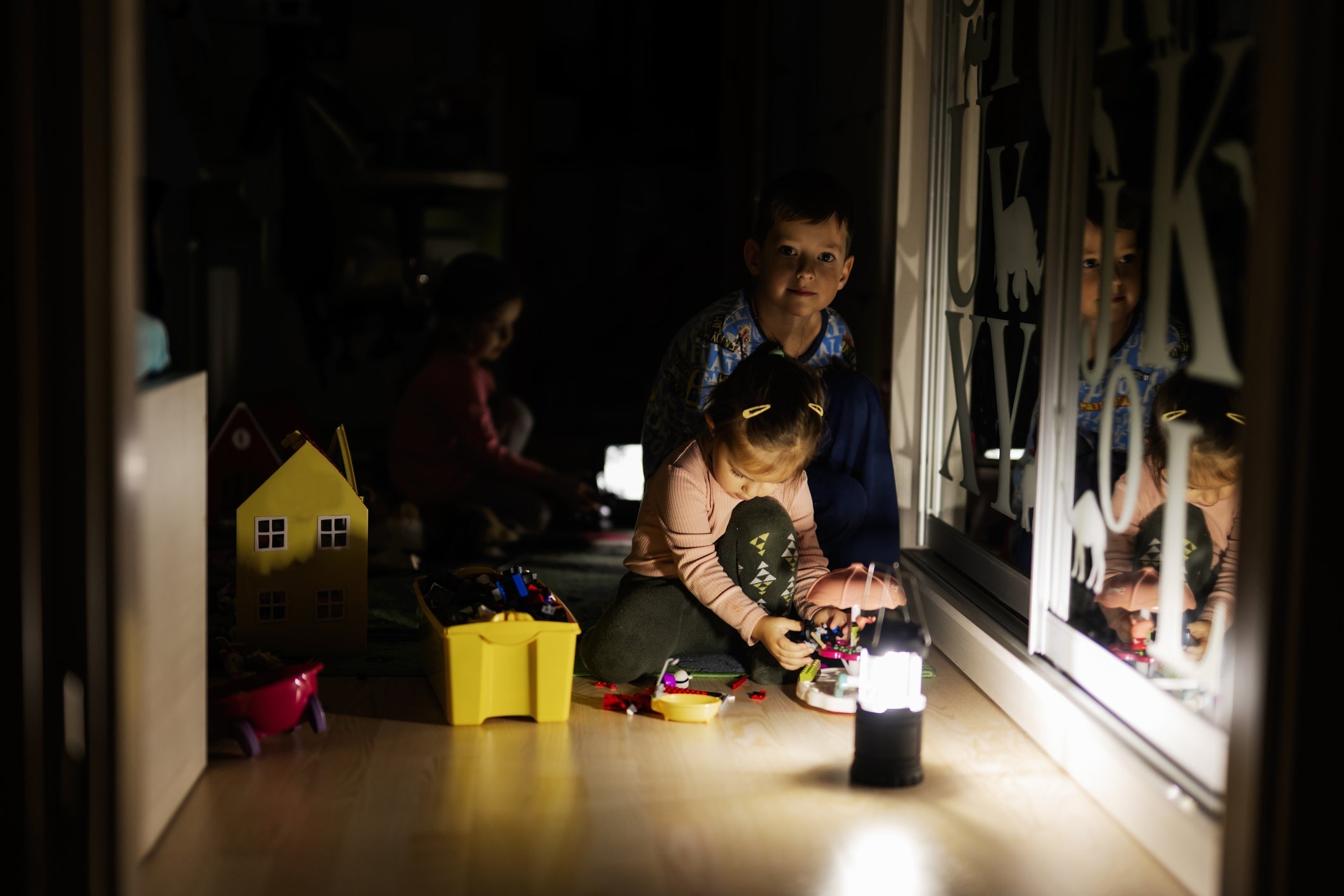
Lighting becomes the most immediate need when electricity disappears. Homes quickly become dark, increasing the risk of falls or injuries. Battery-powered flashlights provide dependable lighting and allow family members to safely move throughout the house.
Reliable emergency flashlights are designed for disaster situations and often feature long battery life, durable construction, and high brightness levels.
Lanterns and portable lights can also illuminate entire rooms, making them ideal for kitchens, hallways, and living areas during blackouts.
Emergency Radios for Critical Alerts
Communication systems often fail during large-scale disasters. Internet access and cellular networks may become unreliable, preventing people from receiving emergency information.
A dependable emergency radio allows households to receive NOAA weather alerts and government emergency broadcasts even when other communication systems fail.
Many emergency radios include hand-crank generators, solar charging panels, and rechargeable batteries, allowing them to operate during prolonged outages.
Backup Batteries and Portable Power Banks
Mobile phones play a critical role in emergency communication, but they become useless once their batteries drain. Portable power banks allow users to recharge smartphones and other small electronics during blackouts.
A blackout preparedness kit should include:
- Portable power banks
- AA and AAA batteries
- USB charging cables
- Rechargeable battery packs
These supplies help ensure communication devices remain operational until power is restored.
Emergency Food Supplies
When power outages occur, refrigerators and freezers stop functioning, which increases the risk of food spoilage. Emergency food supplies provide safe nutrition without requiring refrigeration or cooking.
Recommended foods for blackout preparedness kits include:
- Ready-to-eat meals
- Non-perishable canned foods
- Energy bars
- Emergency survival ration bars
- Dried fruit and nuts
A manual can opener should also be included to access canned foods during outages.
Water Storage
Water is the most critical survival resource during emergencies. Federal preparedness guidelines recommend storing at least one gallon of water per person per day for a minimum of three days.
Stored water should be used for drinking, sanitation, and food preparation when municipal water systems are disrupted.
Additional Supplies That Improve Blackout Safety
While lighting, communication devices, food, and water form the foundation of a blackout preparedness kit, several additional supplies improve safety during extended outages.
First Aid Kit
A basic first aid kit allows households to treat minor injuries without relying on medical facilities that may be difficult to reach during disasters.
Warm Blankets and Clothing
During winter outages, heating systems may stop working entirely. Blankets and warm clothing layers help maintain body temperature until electricity returns.
Printed Emergency Contacts
Important phone numbers should be written down and stored inside the emergency kit. Digital devices may lose power, making printed contact lists valuable during emergencies.
How to Maintain Your Power Outage Kit
Emergency preparedness kits require periodic maintenance to ensure supplies remain safe and functional. Experts recommend reviewing emergency kits every six months.
Maintenance tasks include:
- Replacing expired food and water supplies
- Testing flashlights and emergency radios
- Recharging batteries and power banks
- Updating medical supplies
Routine maintenance ensures emergency kits remain ready when unexpected outages occur.
Preparing for Extended Blackouts
Power outages can occur without warning and may last longer than expected. Preparing a complete emergency kit ensures households remain safe during the first critical days of a disaster.
Many preparedness experts also recommend building a 72-hour emergency survival kit that supports independent survival for at least three days during disasters.
By combining lighting, communication tools, food, water, and medical supplies, families can significantly improve their ability to safely manage unexpected power outages.
People Also Ask
What should be in a power outage emergency kit?
A power outage emergency kit should include flashlights, emergency radios, batteries, food supplies, water storage, and a first aid kit to support safety during blackouts.
How long should an emergency blackout kit last?
Most emergency preparedness experts recommend storing supplies that support at least 72 hours of survival during power outages or disasters.
Why is an emergency radio important during blackouts?
Emergency radios allow households to receive weather alerts and government emergency broadcasts even when internet or mobile networks are unavailable.
Where should emergency kits be stored?
Emergency kits should be stored in easily accessible locations such as closets, garages, or emergency supply cabinets so they can be retrieved quickly during disasters.
How often should emergency kits be updated?
Emergency kits should be checked every six months to replace expired food, recharge batteries, and ensure equipment remains functional.
About the Author
Mick Chan is a Safety Supplies industry professional with over 15 years of hands-on experience. He specializes in OSHA compliance, PPE regulations, and bulk safety product procurement for high-risk industries. Mick earned his Bachelor’s degree in Business Administration from Cal State LA in 2013 and has been advising companies across California ever since. Born and raised in the San Gabriel Valley, Mick understands the safety needs of businesses operating in diverse urban and industrial environments.