
Quick Summary
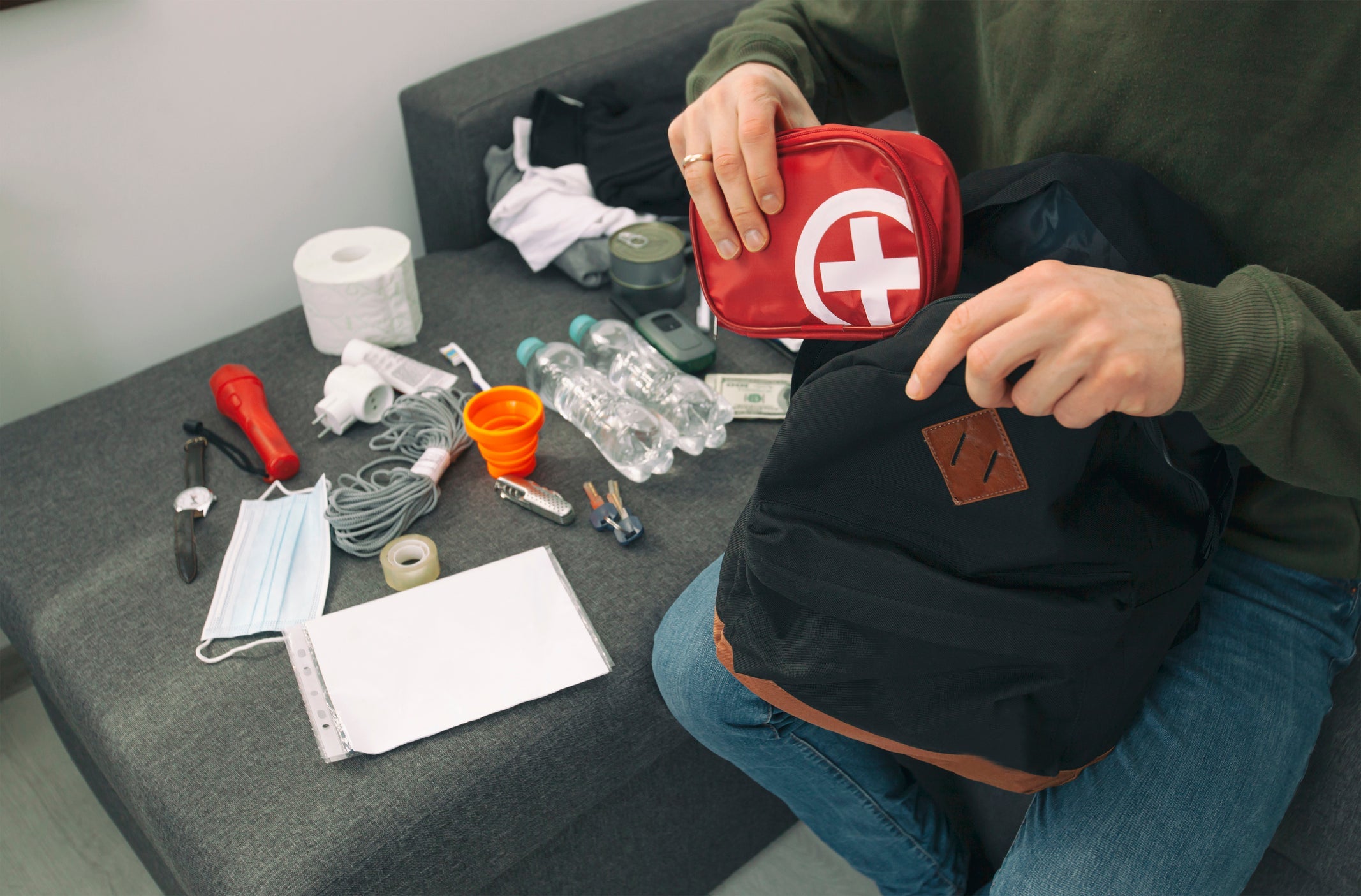
A 72-hour emergency survival kit contains the essential supplies needed to survive independently for three days during disasters such as hurricanes, earthquakes, wildfires, or prolonged power outages. A complete disaster preparedness kit includes water, non-perishable food, emergency lighting, communication devices, medical supplies, and sanitation items.
- Store at least three days of water and food per person.
- Include emergency radios to receive weather alerts and government announcements.
- Flashlights and lanterns provide critical lighting during power outages.
- First aid kits help treat injuries when medical services are delayed.
- Emergency kits should be reviewed and updated every six months.
Why a 72-Hour Emergency Kit Is Essential for Disaster Preparedness
Natural disasters often occur with little warning and can disrupt essential infrastructure such as electricity, transportation, communications, and water supply systems. Hurricanes, earthquakes, winter storms, and wildfires frequently cause extended service interruptions that can leave households without basic resources for several days.
Emergency preparedness experts recommend maintaining supplies that support at least 72 hours of independent survival. This period represents the critical window when emergency responders may still be assessing damage and restoring services.
According to the preparedness guidance from Ready.gov, families should assemble emergency survival kits in advance and store them in accessible locations so they are ready when disaster strikes.
Preparing a survival kit reduces panic during emergencies and allows households to focus on safety rather than scrambling to find supplies during stressful situations.
Complete 72-Hour Survival Kit Checklist
A properly assembled survival kit contains supplies that support basic human needs: hydration, nutrition, communication, safety, and hygiene. These items form the foundation of effective disaster preparedness planning.
1. Drinking Water Supply
Water is the most critical resource during emergencies. Emergency management agencies recommend storing at least one gallon of water per person per day. A family of four should therefore keep a minimum of twelve gallons for a three-day emergency period.
Water should be stored in sealed, food-grade containers and placed in cool areas away from direct sunlight. Proper storage helps maintain safe drinking water in case municipal water systems become contaminated or inaccessible.
2. Non-Perishable Emergency Food
Emergency food supplies must remain safe to consume without refrigeration or cooking. Shelf-stable foods allow households to maintain adequate nutrition even when electricity and kitchen appliances are unavailable.
Recommended survival foods include:
- Ready-to-eat meals
- Canned vegetables and proteins
- Energy bars and high-calorie snacks
- Emergency ration bars
- Dried fruit and nuts
Always include a manual can opener in your emergency kit to ensure canned food can be accessed without electricity.
Emergency Communication Tools
During major disasters, communication networks may become overloaded or completely unavailable. Emergency radios allow households to receive real-time updates from government agencies and weather authorities.
A reliable emergency radio can broadcast NOAA weather alerts, emergency instructions, and evacuation notices even when internet service or mobile phone networks fail.
Many emergency radios include multiple charging options such as solar panels, rechargeable batteries, and hand-crank generators. These features allow radios to remain operational during prolonged power outages.
Emergency Lighting for Blackouts
Power outages often accompany natural disasters, leaving homes and neighborhoods without lighting. Reliable lighting devices help prevent injuries and allow families to safely navigate their homes during nighttime emergencies.
Battery-powered emergency flashlights provide dependable illumination during blackouts. High-quality flashlights used in disaster kits typically feature long battery life and durable construction designed for emergency conditions.
Additional lighting solutions may include lanterns or headlamps that allow users to perform tasks while keeping their hands free.
First Aid Supplies and Medical Essentials
Medical care may not be immediately available during disasters, making first aid supplies essential components of emergency preparedness kits.
A basic emergency medical kit should include:
- Adhesive bandages
- Sterile gauze pads
- Antiseptic wipes
- Medical gloves
- Pain relief medication
- Basic medical tools such as scissors and tweezers
Individuals who rely on prescription medications should store backup supplies whenever possible.
Sanitation and Hygiene Supplies
Maintaining hygiene during emergencies helps reduce the risk of illness and infection. When plumbing systems or running water are disrupted, households must rely on stored sanitation supplies.
Essential sanitation items include:
- Hand sanitizer
- Moist towelettes
- Toilet paper
- Garbage bags
- Plastic ties for waste disposal
These supplies help maintain cleanliness and sanitation during prolonged emergencies.
Additional Disaster Preparedness Supplies
While water, food, communication devices, and medical supplies form the foundation of a survival kit, several additional items can significantly improve safety and comfort during disasters.
Warm Clothing and Blankets
If disasters occur during colder seasons, heating systems may stop working. Blankets and extra clothing layers help maintain body warmth.
Emergency Contact List
Printed contact information ensures important phone numbers remain accessible even if mobile devices lose power.
Multi-Purpose Tools
Compact multi-tools can assist with repairs, food preparation, and general tasks during emergencies.
Where to Store Your Emergency Survival Kit
Emergency kits should be stored in locations that are easy to access during stressful situations. Ideal locations include hallway closets, garages, or dedicated emergency storage areas.
Some households prepare multiple kits for different environments:
- Home emergency kits
- Vehicle emergency kits
- Workplace emergency kits
Having emergency supplies in multiple locations increases preparedness and reduces response time during disasters.
Maintaining Your Emergency Kit
Emergency kits require regular maintenance to remain effective. Experts recommend reviewing supplies every six months.
Maintenance steps include replacing expired food, testing flashlights and radios, recharging batteries, and updating medical supplies.
Proper maintenance ensures emergency kits remain fully functional when they are needed most.
People Also Ask
What is included in a 72 hour emergency kit?
A 72-hour emergency kit typically includes water, food, flashlights, emergency radios, medical supplies, sanitation items, and basic survival tools.
How much water should be stored in an emergency kit?
Emergency preparedness agencies recommend storing one gallon of water per person per day for at least three days.
Why is an emergency radio important?
Emergency radios provide weather alerts and government broadcasts when internet and phone networks are unavailable.
Where should you store an emergency survival kit?
Emergency kits should be stored in easily accessible areas such as closets or garages so they can be quickly retrieved during disasters.
How often should emergency kits be updated?
Emergency kits should be checked every six months to replace expired items and test batteries and equipment.
About the Author
Mick Chan is a Safety Supplies industry professional with over 15 years of hands-on experience. He specializes in OSHA compliance, PPE regulations, and bulk safety product procurement for high-risk industries. Mick earned his Bachelor’s degree in Business Administration from Cal State LA in 2013 and has been advising companies across California ever since. Born and raised in the San Gabriel Valley, a suburb of Los Angeles, Mick understands the safety needs of businesses operating in diverse urban and industrial environments.