
Quick Summary
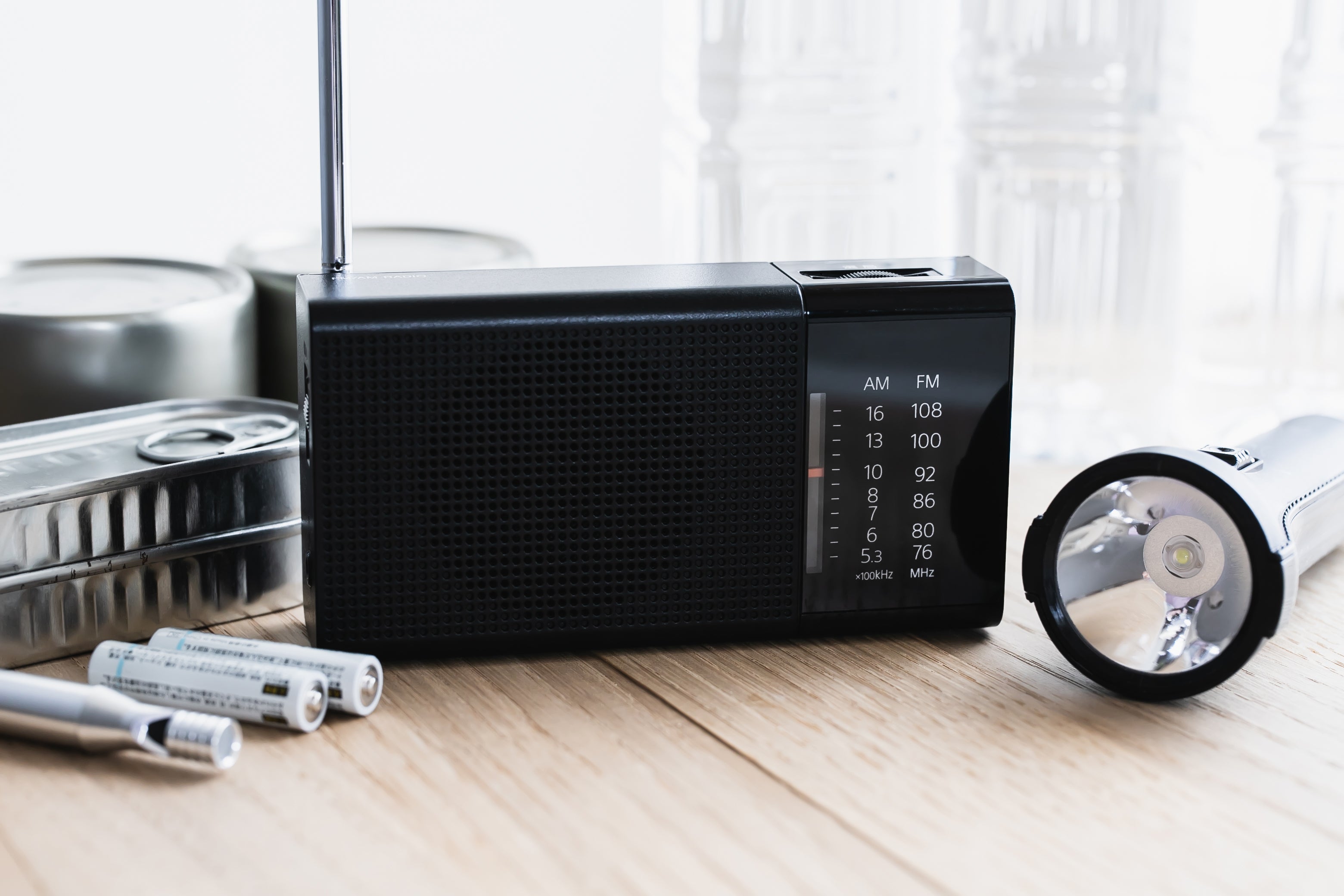
Emergency radios provide reliable access to weather alerts and disaster updates when electricity, internet, or mobile networks fail. These radios can receive NOAA weather broadcasts, emergency alerts, and government announcements during hurricanes, wildfires, winter storms, and other emergencies. Many emergency radios include backup power options such as hand-crank generators, solar panels, and rechargeable batteries, making them essential tools for disaster preparedness.
- Emergency radios provide weather alerts when phones and internet fail.
- NOAA weather radio broadcasts deliver real-time emergency warnings.
- Hand-crank and solar-powered radios work during prolonged power outages.
- Many emergency radios include built-in flashlights and phone chargers.
- Emergency radios are critical components of disaster preparedness kits.
Why Emergency Radios Are Essential During Disasters
When natural disasters occur, communication infrastructure often becomes unreliable. Cellular networks can become overloaded, internet connections may fail, and electricity may be unavailable for extended periods. In these situations, emergency radios provide one of the most dependable sources of information.
Government agencies and weather services broadcast emergency alerts through dedicated radio channels that continue operating even during major disasters. These alerts include evacuation orders, storm warnings, flood advisories, wildfire alerts, and other critical safety information.
A reliable emergency radio allows households to stay informed when other communication systems stop functioning. This ability to receive real-time emergency updates can significantly improve safety during hurricanes, earthquakes, winter storms, and large-scale power outages.
For this reason, emergency management agencies strongly recommend including an emergency radio as part of every household disaster preparedness kit.
Understanding NOAA Weather Radio Alerts
NOAA Weather Radio is a nationwide network of radio stations operated by the National Oceanic and Atmospheric Administration. These stations broadcast continuous weather information and emergency alerts directly from the National Weather Service.
According to NOAA Weather Radio, the system broadcasts warnings for severe weather events such as tornadoes, hurricanes, flash floods, blizzards, and extreme heat.
Emergency radios capable of receiving NOAA signals automatically alert users when a warning is issued for their region. This allows households to receive life-saving information even while sleeping or when televisions and smartphones are unavailable.
Because NOAA broadcasts operate independently from commercial communication networks, they remain active even during widespread disasters.
Types of Emergency Radios
Emergency radios come in several designs, each intended to provide reliable communication during disasters. Understanding the different types helps households choose the most suitable option for their emergency preparedness plans.
Hand Crank Emergency Radios
Hand crank radios generate power through manual cranking mechanisms. Turning the crank produces electricity that powers the radio and charges internal batteries.
These radios are extremely valuable during extended outages because they do not rely on external power sources. Even if batteries are depleted, the radio can continue functioning through manual power generation.
Solar Emergency Radios
Solar-powered radios include built-in solar panels that recharge internal batteries when exposed to sunlight. This makes them useful during outdoor emergencies or prolonged disasters where electricity remains unavailable for days.
Solar radios often include multiple backup charging options, providing redundancy during emergencies.
Battery-Powered Emergency Radios
Battery-operated emergency radios use replaceable batteries such as AA or AAA cells. These radios provide reliable performance when spare batteries are available.
Many households keep extra batteries in their emergency preparedness kits to ensure continued operation during outages.
Key Features to Look for in an Emergency Radio
Modern emergency radios include several additional features designed to improve safety during disasters.
Multiple Power Sources
Emergency radios often include multiple charging options such as hand-crank generators, solar panels, rechargeable batteries, and USB charging ports. These options ensure radios remain functional even when electricity is unavailable.
Built-In Flashlights
Many emergency radios include built-in LED lights that provide illumination during blackouts. These lights can help households navigate safely during nighttime outages.
Additional lighting devices such as emergency flashlights are also recommended as part of blackout preparedness kits.
USB Charging Ports
Some emergency radios include USB ports that allow users to charge smartphones or small electronics. This feature helps maintain communication during prolonged emergencies.
Weather Alert Notifications
Emergency radios with NOAA alert functionality automatically activate when weather warnings are issued. This feature provides early warnings for dangerous weather conditions.
When Emergency Radios Become Most Important
Emergency radios become especially valuable during disasters that disrupt communication infrastructure. Examples include hurricanes, earthquakes, wildfires, winter storms, and widespread power outages.
During these events, television broadcasts may stop, internet connections may fail, and cellular networks may become overloaded. Emergency radios continue receiving broadcasts from government emergency systems, providing reliable updates when other technologies stop functioning.
For households living in areas prone to severe weather, emergency radios provide an additional layer of safety and preparedness.
Where to Store an Emergency Radio
Emergency radios should be stored in locations that allow quick access during emergencies. Many households keep their radios inside emergency preparedness kits or blackout supply cabinets.
Some families also store emergency radios in multiple locations, such as:
- Home emergency kits
- Vehicle emergency kits
- Workplace emergency kits
Keeping emergency radios accessible ensures that critical information remains available during disasters.
Maintaining Your Emergency Radio
Like all emergency preparedness equipment, emergency radios require occasional maintenance to ensure reliable performance.
Maintenance steps may include:
- Testing the radio every few months
- Recharging batteries
- Replacing old batteries
- Checking antenna functionality
Routine maintenance ensures emergency radios remain operational when they are needed most.
People Also Ask
What is an emergency radio?
An emergency radio is a communication device designed to receive weather alerts and emergency broadcasts during disasters when electricity and internet services may be unavailable.
Do emergency radios work without electricity?
Many emergency radios include backup power options such as hand-crank generators, solar panels, or replaceable batteries that allow them to operate without electricity.
What is NOAA weather radio?
NOAA Weather Radio is a nationwide network that broadcasts weather alerts and emergency information from the National Weather Service.
Why should every home have an emergency radio?
Emergency radios allow households to receive critical safety information during disasters when internet and mobile networks are unavailable.
Where should emergency radios be stored?
Emergency radios should be stored inside household emergency preparedness kits or accessible locations where they can be quickly used during disasters.
About the Author
Mick Chan is a Safety Supplies industry professional with over 15 years of hands-on experience. He specializes in OSHA compliance, PPE regulations, and bulk safety product procurement for high-risk industries. Mick earned his Bachelor’s degree in Business Administration from Cal State LA in 2013 and has been advising companies across California ever since. Born and raised in the San Gabriel Valley, Mick understands the safety needs of businesses operating in diverse urban and industrial environments.