
Quick Summary
Winter storms frequently cause power outages due to heavy snow, freezing rain, and strong winds that damage electrical infrastructure. Preparing your home for winter power outages helps ensure your household remains safe, warm, and informed during extended blackouts. A winter preparedness plan should include emergency lighting, weather radios, food, water, and cold-weather safety supplies.
- Winter storms are a leading cause of prolonged power outages.
- NOAA weather radios help households receive storm alerts during blackouts.
- Emergency lanterns provide safe lighting inside the home.
- Emergency food and water supplies support survival during outages.
- Preparing supplies before storms arrive significantly improves safety.
Why Winter Power Outage Preparedness Matters
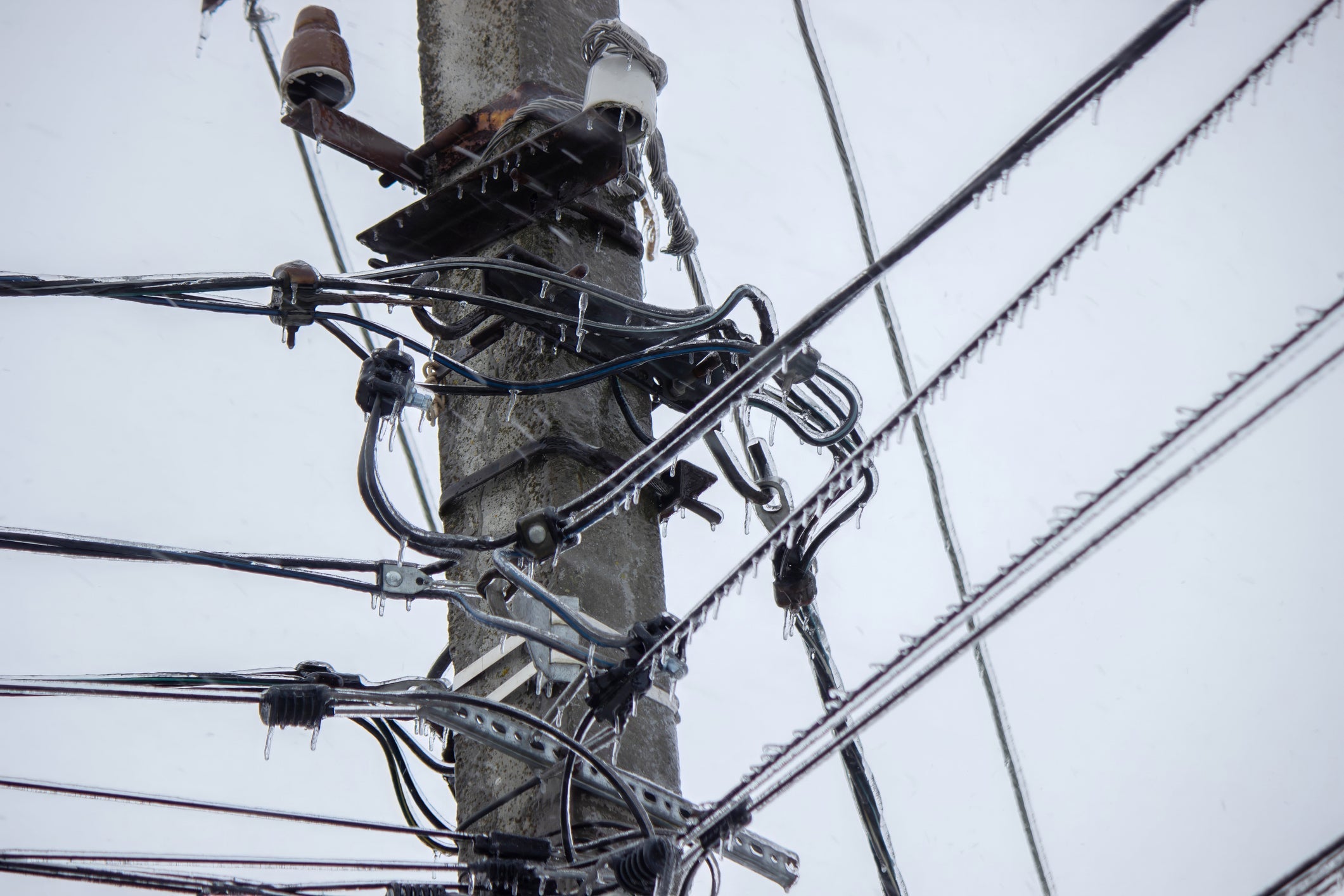
Winter weather can place significant stress on electrical infrastructure. Ice accumulation, heavy snowfall, and high winds often damage power lines and cause outages that may last for many hours or several days.
When electricity fails during winter storms, households may lose heating systems, lighting, internet connectivity, and refrigeration. Indoor temperatures can drop quickly, increasing the risk of cold-related illnesses if homes are not prepared.
According to Ready.gov winter weather preparedness guidance, households should prepare emergency supplies before storms arrive so they can safely shelter in place if travel becomes impossible.
Planning ahead allows families to maintain warmth, communication, and access to essential resources until power is restored.
Essential Supplies for Winter Power Outages
A winter emergency preparedness kit should contain supplies that support warmth, communication, nutrition, and safety. These items help households remain self-sufficient during prolonged outages.
NOAA Weather Radios for Storm Alerts
Severe winter storms can intensify quickly. Receiving real-time weather alerts allows households to respond before conditions become dangerous.
A reliable NOAA weather radio can broadcast emergency weather alerts, storm warnings, and government safety announcements even when internet and cellular networks are unavailable.
Many emergency radios include backup power options such as solar charging panels, rechargeable batteries, or hand-crank generators. These features allow the device to continue functioning during extended outages.
Emergency Lanterns and Backup Lighting
Lighting becomes one of the most immediate needs during power outages. Homes can become completely dark during nighttime blackouts, increasing the risk of accidents or injuries.
Battery-powered emergency lanterns provide reliable illumination for rooms, kitchens, and hallways when electricity is unavailable. Lanterns are especially useful because they can light larger areas compared to handheld flashlights.
Keeping multiple lighting sources available ensures every household member can safely navigate the home during outages.
Warm Clothing and Blankets
If heating systems stop functioning during a winter blackout, indoor temperatures can drop rapidly. Warm clothing, blankets, and sleeping bags help conserve body heat.
Emergency kits should include:
- Thermal blankets
- Heavy winter coats
- Warm socks
- Gloves and winter hats
Layering clothing traps body heat and helps reduce the risk of hypothermia.
Emergency Food Supplies
Power outages may make cooking appliances unusable and cause refrigerated foods to spoil. Non-perishable foods provide safe nutrition without requiring electricity.
Recommended emergency foods include:
- Canned foods
- Ready-to-eat meals
- Energy bars
- Dried fruit and nuts
- Emergency ration bars
Households should also store a manual can opener so canned foods remain accessible during outages.
Water Storage
Clean drinking water is essential during emergencies. Frozen pipes and damaged infrastructure can disrupt municipal water supplies during severe winter weather.
Emergency preparedness guidelines recommend storing at least one gallon of water per person per day for a minimum of three days.
Emergency Survival Kits for Winter Disasters
Many households assemble complete emergency survival kits that contain essential preparedness supplies in a single package. These kits typically include food rations, water supplies, lighting devices, and emergency tools designed for disaster situations.
Prepared survival kits simplify emergency planning by ensuring households have the most important supplies ready when disasters occur.
Preparing Your Home Before Winter Storms
In addition to storing emergency supplies, households can take preventative steps to reduce risks during winter power outages.
- Seal drafts around doors and windows.
- Insulate exposed pipes to prevent freezing.
- Charge backup batteries and mobile devices.
- Keep refrigerators and freezers at recommended temperatures.
- Monitor weather forecasts during winter months.
Taking these precautions improves home safety and helps reduce potential damage during severe storms.
What to Do During a Winter Power Outage
If electricity fails during winter weather, households should take several precautions to protect safety and conserve resources.
- Use lanterns or flashlights instead of candles to reduce fire risk.
- Keep refrigerator and freezer doors closed to preserve food.
- Dress in layers to maintain body warmth.
- Monitor weather alerts using NOAA weather radios.
- Avoid running generators indoors due to carbon monoxide risk.
Following these safety practices helps households remain safe while waiting for electricity to return.
Maintaining Your Winter Emergency Supplies
Emergency preparedness kits require periodic maintenance to ensure supplies remain functional. Experts recommend reviewing emergency kits every six months.
Maintenance tasks include replacing expired food supplies, checking batteries, testing emergency radios, and ensuring lighting equipment is operational.
Regular maintenance ensures emergency supplies remain ready when winter storms occur.
People Also Ask
How do you prepare for a winter power outage?
Preparing for winter outages includes storing emergency food, water, lanterns, weather radios, and warm clothing before storms arrive.
What supplies do you need during a winter blackout?
Essential supplies include emergency radios, lanterns, blankets, food, water, and first aid kits.
How long should emergency supplies last?
Emergency preparedness experts recommend storing supplies that support at least 72 hours of survival during disasters.
Why are weather radios important during winter storms?
Weather radios provide storm warnings and emergency alerts even when internet and cellular networks are unavailable.
Where should winter emergency kits be stored?
Winter emergency kits should be stored in easily accessible locations within the home so they can be retrieved quickly during power outages.
About the Author
Mick Chan is a Safety Supplies industry professional with over 15 years of hands-on experience. He specializes in OSHA compliance, PPE regulations, and bulk safety product procurement for high-risk industries. Mick earned his Bachelor’s degree in Business Administration from Cal State LA in 2013 and has been advising companies across California ever since. Born and raised in the San Gabriel Valley, Mick understands the safety needs of businesses operating in diverse urban and industrial environments.