
Quick Summary
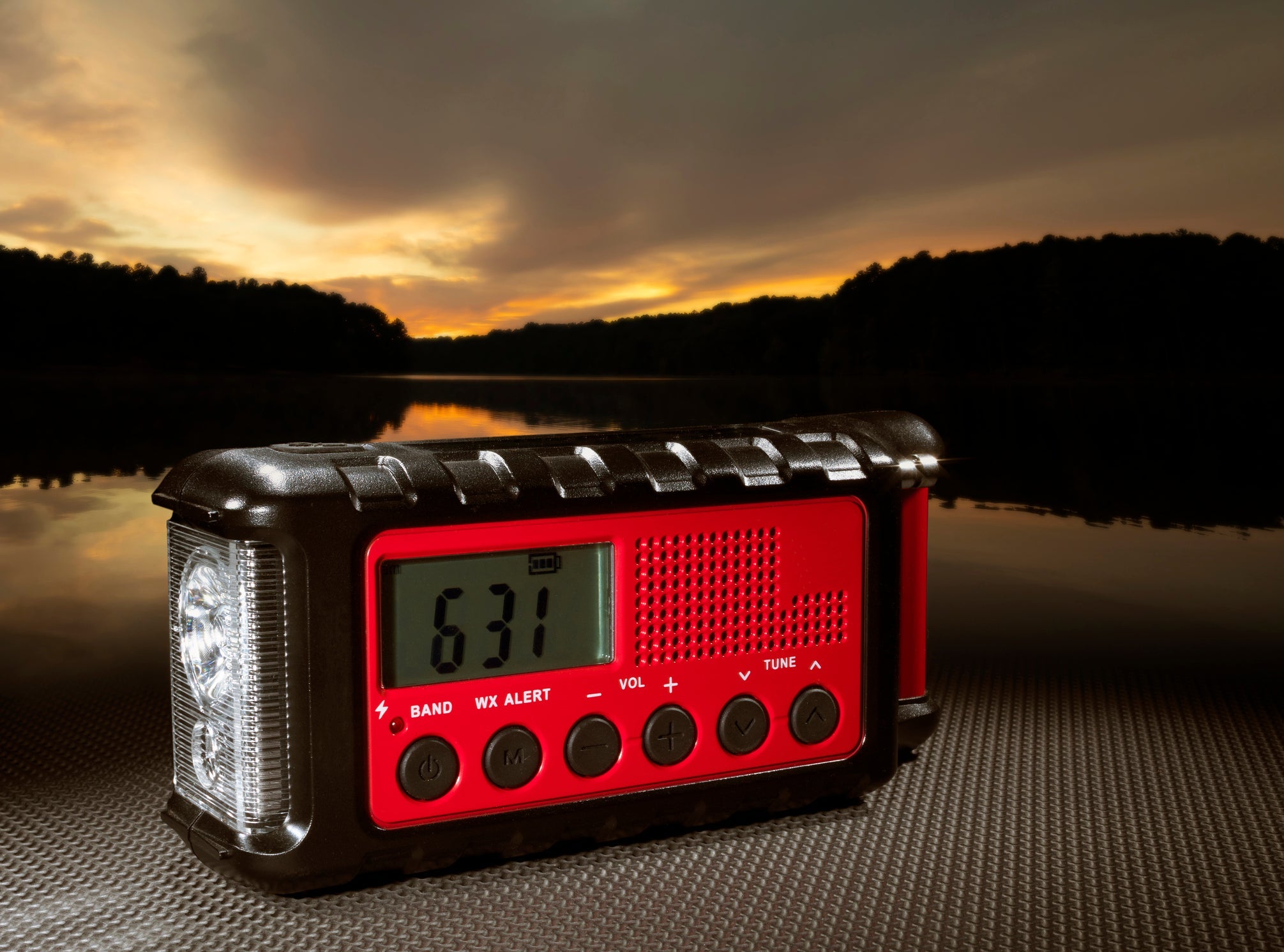
A NOAA Weather Radio is a specialized emergency radio that broadcasts weather alerts and emergency information from the National Weather Service. These radios provide real-time warnings about severe weather events such as hurricanes, tornadoes, blizzards, floods, and wildfires. Because NOAA broadcasts operate independently from internet and cellular networks, weather radios continue functioning during disasters when other communication systems may fail.
- NOAA Weather Radio broadcasts 24/7 emergency weather alerts.
- Weather radios provide warnings for storms, floods, hurricanes, and other disasters.
- Emergency radios work even when internet and cellular networks fail.
- Many models include solar charging and hand-crank backup power.
- Weather radios are essential tools for disaster preparedness.
What Is a NOAA Weather Radio?
A NOAA Weather Radio is a nationwide radio network operated by the National Oceanic and Atmospheric Administration (NOAA). The system broadcasts continuous weather updates, forecasts, and emergency alerts issued by the National Weather Service.
Unlike traditional AM or FM radio stations, NOAA Weather Radio focuses exclusively on weather and disaster alerts. The network transmits warnings for severe storms, floods, hurricanes, extreme temperatures, and other dangerous conditions.
According to NOAA Weather Radio, the system provides coverage to nearly the entire United States through hundreds of transmitters located across the country.
Because these alerts are broadcast directly from government weather agencies, they often provide faster and more reliable warnings than standard media outlets.
How NOAA Weather Radios Work
NOAA Weather Radios receive signals broadcast by the National Weather Service through a network of dedicated transmitters. These broadcasts operate continuously, delivering weather forecasts and emergency warnings around the clock.
Many modern emergency radios include an alert feature that automatically activates when severe weather warnings are issued for the local area. When an alert is triggered, the radio emits a loud tone and switches to the broadcast channel to provide important safety information.
A reliable emergency radio capable of receiving NOAA broadcasts allows households to stay informed during storms and disasters when internet access and cellular networks may not be available.
This direct access to official weather alerts helps families make faster and safer decisions during emergencies.
Why NOAA Weather Radios Are Important During Emergencies
Severe weather can develop quickly, and timely warnings often make the difference between safety and danger. Emergency alerts broadcast through NOAA Weather Radio provide critical information that allows people to prepare and respond appropriately.
Weather radios are particularly valuable because they operate independently of commercial communication infrastructure. When power outages or network failures occur, television broadcasts and internet services may stop functioning. NOAA radio transmitters, however, continue broadcasting emergency alerts.
For this reason, emergency management agencies frequently recommend including weather radios in household disaster preparedness kits.
Types of NOAA Weather Radios
Several types of emergency radios can receive NOAA Weather Radio broadcasts. These radios are designed to remain operational during disasters and power outages.
Hand-Crank Emergency Radios
Hand-crank radios generate electricity through a manual crank mechanism. By turning the crank, users can power the radio and recharge internal batteries even when external electricity is unavailable.
This feature makes hand-crank radios extremely valuable during prolonged power outages.
Solar-Powered Emergency Radios
Solar radios use built-in solar panels to recharge batteries using sunlight. These radios are particularly useful during extended emergencies where electrical power remains unavailable.
Solar charging provides an additional layer of redundancy for emergency communication devices.
Battery-Powered Weather Radios
Battery-operated radios use replaceable batteries to receive weather alerts and emergency broadcasts. Many households keep spare batteries inside their emergency preparedness kits to ensure these radios remain functional.
Features to Look for in a NOAA Weather Radio
Modern emergency radios include several features designed to improve safety and reliability during disasters.
Automatic Weather Alerts
Radios equipped with NOAA alert functionality automatically activate when severe weather warnings are issued for a specific region. This ensures users receive alerts even if they are sleeping or not actively monitoring the radio.
Multiple Power Sources
Emergency radios often include several charging options such as solar panels, hand-crank generators, rechargeable batteries, and USB charging ports. Multiple power sources help ensure radios remain operational during extended emergencies.
Built-In Lighting
Many emergency radios include built-in LED lights that provide illumination during power outages. Additional lighting tools such as emergency flashlights can also improve safety during nighttime blackouts.
USB Charging Ports
Some weather radios include USB ports that allow users to recharge smartphones and other small electronics during power outages.
When You Should Use a NOAA Weather Radio
Weather radios are especially important during severe weather events and natural disasters. These devices help households stay informed about rapidly changing conditions.
Situations where NOAA weather radios become particularly valuable include:
- Hurricanes and tropical storms
- Blizzards and winter storms
- Flood warnings
- Tornado alerts
- Wildfire evacuations
- Extended power outages
Receiving early warnings allows families to prepare and respond before conditions become dangerous.
Where to Keep a Weather Radio
Weather radios should be stored in locations where they can be easily accessed during emergencies. Many households keep emergency radios in disaster preparedness kits or emergency supply cabinets.
Some families also keep radios in multiple locations, including vehicles, home emergency kits, and workplace preparedness kits. This ensures access to emergency alerts regardless of where disasters occur.
Maintaining Your Emergency Weather Radio
To ensure reliable operation during emergencies, weather radios should be tested periodically. Maintenance tasks include replacing batteries, recharging internal power supplies, and verifying that the radio can receive local NOAA broadcast channels.
Regular testing ensures the device remains ready to deliver critical alerts when severe weather threatens.
People Also Ask
What does a NOAA weather radio do?
A NOAA weather radio receives emergency weather alerts and forecasts broadcast by the National Weather Service.
Do NOAA weather radios work during power outages?
Many NOAA weather radios include backup power options such as hand-crank generators, solar panels, or replaceable batteries that allow them to operate during power outages.
Why should every home have a weather radio?
Weather radios provide reliable alerts during severe storms and disasters when internet and cellular networks may be unavailable.
What is the difference between a weather radio and a normal radio?
Weather radios receive dedicated emergency broadcasts from NOAA and the National Weather Service, while standard radios play commercial AM or FM programming.
Where should a weather radio be stored?
Weather radios should be stored inside emergency preparedness kits or accessible locations where they can quickly be used during emergencies.
About the Author
Mick Chan is a Safety Supplies industry professional with over 15 years of hands-on experience. He specializes in OSHA compliance, PPE regulations, and bulk safety product procurement for high-risk industries. Mick earned his Bachelor’s degree in Business Administration from Cal State LA in 2013 and has been advising companies across California ever since. Born and raised in the San Gabriel Valley, Mick understands the safety needs of businesses operating in diverse urban and industrial environments.